U.S. Seizes $1 Billion in Iranian Cryptocurrency Under ‘Operation Economic Fury’
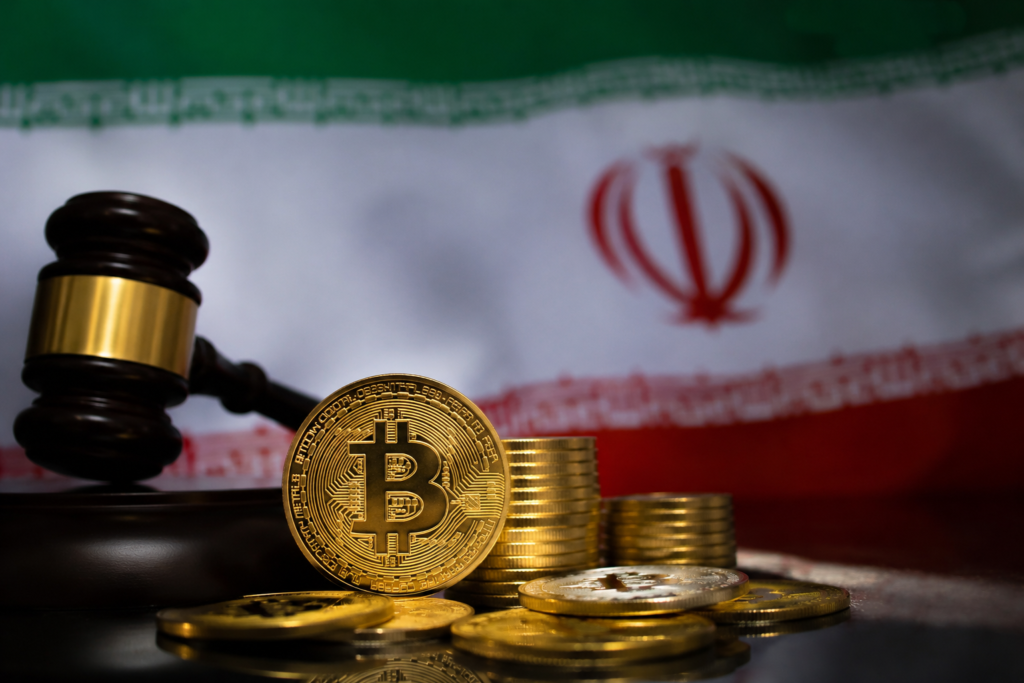
The United States has reportedly seized around $1 billion worth of Iranian cryptocurrency as part of a major crackdown on Iran’s financial networks, according to U.S. Treasury Secretary Scott Bessent.
Speaking during an interview on Fox Business, Bessent said American authorities successfully “grabbed the wallets” connected to Iranian crypto assets under a wider sanctions campaign called “Operation Economic Fury.”
The move is being described as one of the largest cryptocurrency-related seizures linked to international sanctions and geopolitical conflict. The operation aims to block Iran’s access to overseas revenue, banking systems, and digital financial infrastructure.
According to U.S. officials, the crackdown also targeted shadow banking networks, oil sale operations, and groups accused of supplying weapons and military equipment linked to Iran-backed organizations.
Bessent claimed the sanctions campaign is putting massive pressure on Iran’s economy. He said inflation in the country has crossed 200%, while reports suggest many government workers, military personnel, and police officers are facing salary issues.
The Treasury Secretary also alleged that Iran has introduced food voucher systems and internet shutdowns as economic conditions continue to worsen inside the country.
The latest action highlights the growing role of cryptocurrency in global politics and economic warfare. While officials said stablecoins and digital assets linked to Iran were seized, experts pointed out that decentralized Bitcoin wallets are much harder for governments to fully control or confiscate.
Under the operation, the U.S. and its allies are also reportedly targeting overseas villas, properties, and other assets believed to be connected to Iranian officials and financial networks.
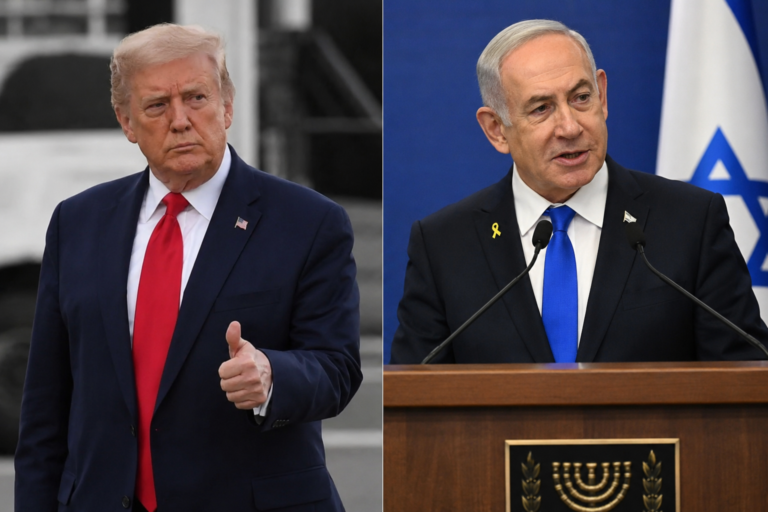
The development comes during ongoing tensions between the United States and Iran, as both countries continue discussions over a possible peace agreement. Former U.S. President Donald Trump recently claimed progress was being made in negotiations, including discussions related to the Strait of Hormuz and Iran’s nuclear program.
However, Iranian officials have denied that a final agreement has been reached and described some American statements as misleading.
At the same time, reports suggest Iran has been exploring new ways to use cryptocurrency and blockchain technology to reduce the impact of sanctions. Some analysts believe Tehran is considering Bitcoin-based financial systems connected to regional trade and maritime routes like the Strait of Hormuz.
The seizure has sparked major discussions in the cryptocurrency world, especially about digital privacy, government control, sanctions enforcement, and the future of crypto in international conflicts.
Crypto analysts say the case could become a landmark moment showing how governments are increasingly monitoring blockchain transactions and targeting digital assets during geopolitical disputes.
As global tensions continue, the incident may also push countries under sanctions to explore more decentralized financial systems that are harder to track or freeze.
The U.S. government has not yet released full technical details about how the cryptocurrency wallets were identified and seized, but officials say investigations and financial monitoring operations are ongoing.