Poor Sleep May Be Increasing Cancer Risk in People Under 50, New Studies Suggest
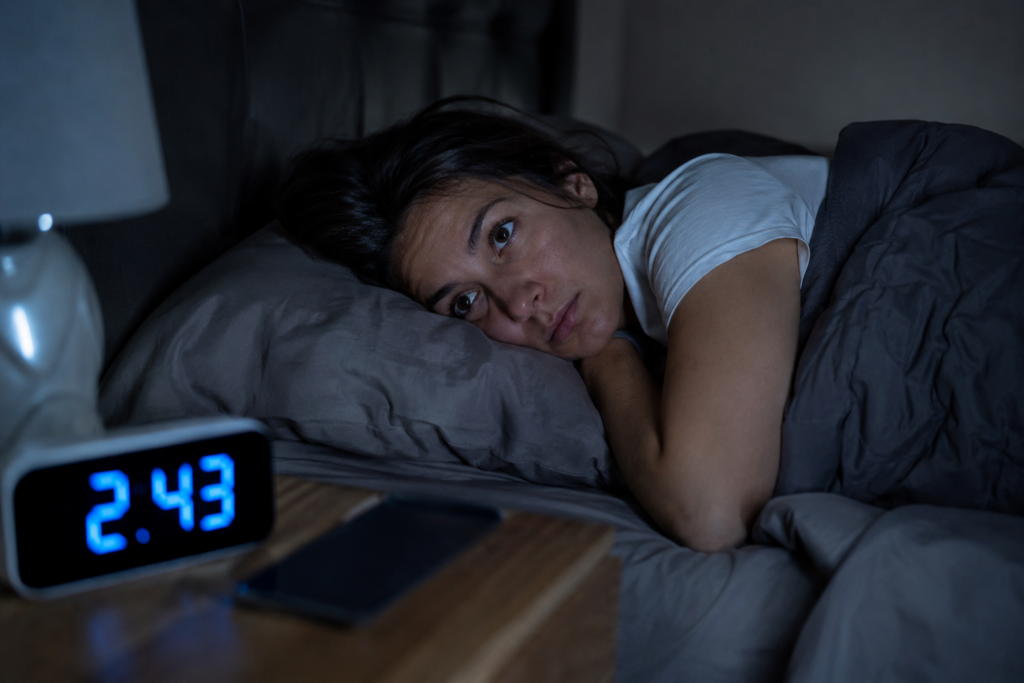
Poor sleep and insomnia may be playing a major role in the growing number of cancer cases among young adults worldwide, according to new research presented at one of the world’s biggest cancer conferences.
Researchers shared the findings at the 2026 American Society of Clinical Oncology (ASCO) annual meeting in Chicago, where experts discussed how sleep disorders could be linked to the rising rate of early-onset cancers in people under the age of 50.
The studies were conducted by researchers from MD Anderson Cancer Center and other major US medical institutions. They analyzed health records of more than 18 million adults between the ages of 18 and 50.
According to the research, people suffering from poor sleep or insomnia were found to have a higher risk of developing several types of cancer at a younger age. These included bowel cancer, breast cancer, uterine cancer, and ovarian cancer.
Researchers said that in some cases, people diagnosed with insomnia were up to three times more likely to develop cancer within five years compared to people without sleep problems.
Health experts around the world are currently trying to understand why cancer cases among younger adults have increased sharply over the past three decades. Global studies show that early-onset cancer cases rose from around 1.8 million in 1990 to more than 3.2 million in 2019. Cancer-related deaths among younger adults have also increased significantly.
Experts believe lifestyle changes may be contributing to the problem. Modern habits such as excessive screen time, smartphone use late at night, stress, poor diet, lack of exercise, smoking, obesity, and alcohol consumption are all linked to poor sleep and may also increase cancer risk.
Researchers explained that sleep is important for restoring the body and supporting the immune system. When people do not sleep properly for long periods, the immune system may weaken, which could make the body more vulnerable to diseases including cancer.
Doctors also pointed out that sleep deprivation often affects daily routines and mental health. People who sleep poorly may be less physically active, more stressed, and more likely to adopt unhealthy habits that can harm their overall health.
However, experts stressed that the studies only show a connection between insomnia and cancer risk and do not prove that poor sleep directly causes cancer. More long-term research is still needed to fully understand the relationship.
Cancer specialists welcomed the findings and said they could help researchers better understand why cancers such as bowel cancer and breast cancer are becoming more common in younger people.
Medical professionals are also warning that sleep disorders are increasing worldwide, especially among teenagers and young adults. Many experts believe technology and blue light from smartphones and other devices are seriously affecting sleep quality.
Health organizations continue to advise people to focus on healthy lifestyles to reduce cancer risk. Doctors recommend getting enough sleep, staying physically active, maintaining a healthy weight, avoiding smoking, limiting alcohol use, and attending regular health screenings.
The new studies have once again raised concerns about the growing health impact of poor sleep and the importance of protecting mental and physical health in today’s fast-moving digital world.