US and Iran Exchange Fresh Strikes in Gulf as Ceasefire Faces New Threat
Tensions between the United States and Iran have risen again after both countries exchanged fresh military strikes in the Gulf region, putting the fragile ceasefire agreement under serious pressure.
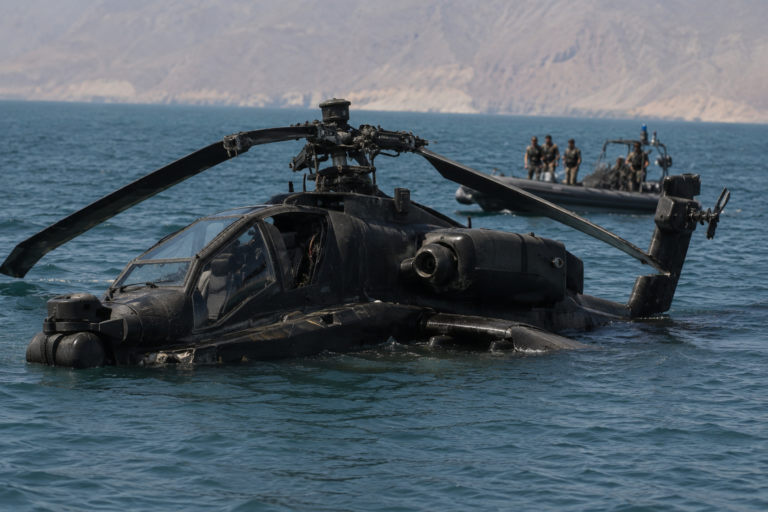
The US military said American forces carried out strikes on Iranian drone and radar sites after detecting four Iranian “one-way attack drones” moving toward the Strait of Hormuz. According to US Central Command (Centcom), the drones were considered an immediate threat to international shipping routes in the region and were successfully destroyed before reaching their targets.
Iran strongly condemned the American action and called it a “flagrant violation” of the ceasefire agreement. Tehran accused Washington of attacking Iran’s sovereignty by targeting radar installations in Sirik and Qeshm Island.
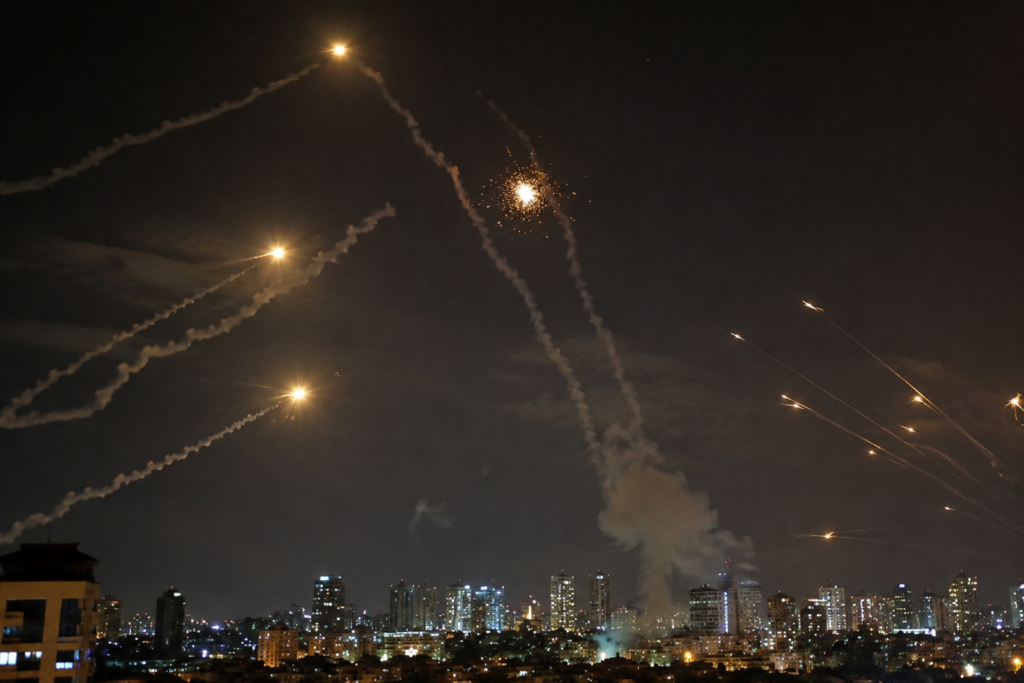
In response, Iran launched ballistic missiles toward US military bases in Kuwait and naval facilities in Bahrain. Iranian state media reported that the strikes were retaliation for the American attacks. However, Bahrain and Kuwait said their defense systems successfully intercepted the missiles and drones before any damage could occur.
Centcom stated that Iran fired seven missiles in total, with six intercepted while one failed to reach its target. Gulf countries including the United Arab Emirates and Qatar also criticized the Iranian attacks and expressed concern over rising instability in the region.
Iran’s Revolutionary Guard Corps (IRGC) said the missile attacks targeted “enemy bases” and warned that Tehran would continue responding to any foreign aggression.
The latest exchange of strikes has raised fears that the ceasefire between the US and Iran could collapse completely. The ceasefire, which began in April, had already faced several violations and growing tensions in recent weeks.
The conflict originally escalated after the US and Israel launched major strikes on Iran earlier this year, leading to widespread military tensions across the Middle East. Iran responded by targeting Israel and US-allied Gulf states and temporarily disrupting movement through the Strait of Hormuz, one of the world’s most important oil shipping routes.
Nearly 20 percent of the world’s oil and liquefied natural gas passes through the Strait of Hormuz, including exports from Saudi Arabia, Iraq, Kuwait, Qatar and the UAE. Earlier disruptions in the area caused global oil prices to surge sharply.
Meanwhile, diplomatic efforts to end the conflict appear stalled. Reports suggest US President Donald Trump requested changes to the terms of a possible agreement, while Iran accused Washington of constantly changing its demands during negotiations.
Despite the ongoing tensions, the US has approved visas for Iran’s national football team ahead of the FIFA World Cup match scheduled in Los Angeles on June 15. It will be the first time a host nation welcomes the team of a country it is currently in conflict with.
The situation in the Gulf remains tense as both sides continue military operations while ceasefire talks struggle to move forward.