Poor Sleep in Babies May Double the Risk of Depression in Teen Years, Study Finds
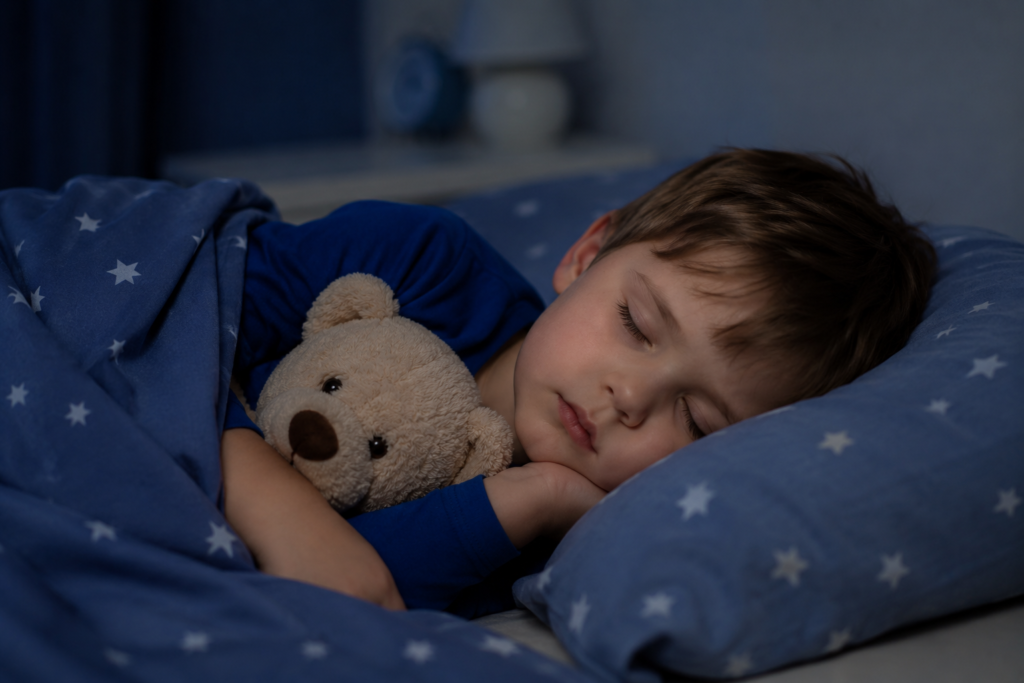
A new study has found that babies and young children who regularly get less sleep may be at a higher risk of developing depression during their teenage years and early adulthood. Researchers say that improving sleep habits during childhood could help reduce future mental health problems.
The study was carried out by researchers at the University of Birmingham in the United Kingdom and analyzed data from more than 15,000 children who were followed from infancy into adulthood. The findings showed that children who consistently slept for shorter periods between the ages of six months and seven years were almost twice as likely to experience long-term symptoms of depression between the ages of 13 and 22.
Researchers explained that while occasional sleep problems are normal for children, ongoing poor sleep over many years may have a lasting effect on mental health. They emphasized that sleep is something parents can improve at home, making it an important factor in preventing future emotional difficulties.
The study found that children with the shortest sleep patterns throughout childhood had a significantly higher chance of developing depression later in life. Although only a small percentage of children were affected, the results highlight the importance of healthy sleep routines from an early age.
Experts recommend creating a consistent bedtime schedule, reducing screen time before sleep, encouraging daily physical activity, and maintaining a calm and comfortable sleeping environment. These simple habits can help children get the rest they need for healthy physical and emotional development.
Researchers also explored whether inflammation in the body could play a role in the link between poor sleep and depression. They found evidence suggesting that certain inflammatory processes may contribute to the increased risk, although more research is needed to fully understand the connection.
Dr. Isabel Morales-Muñoz, who led the study, said that sleep is a factor that can often be improved without medical treatment. She noted that addressing sleep problems early may be easier than treating depression later in life.
Mental health experts say the findings should encourage parents to pay closer attention to their children’s sleep habits. As depression and anxiety continue to rise among young people around the world, ensuring children get enough quality sleep could become an important step in protecting their mental well-being.
The study adds to growing evidence that healthy sleep is not only important for physical growth but also plays a major role in emotional health. Researchers believe that improving childhood sleep habits today could help prevent serious mental health challenges in the future.