Doctors Warn Against This Common Sleep Mistake Millions Make Every Night
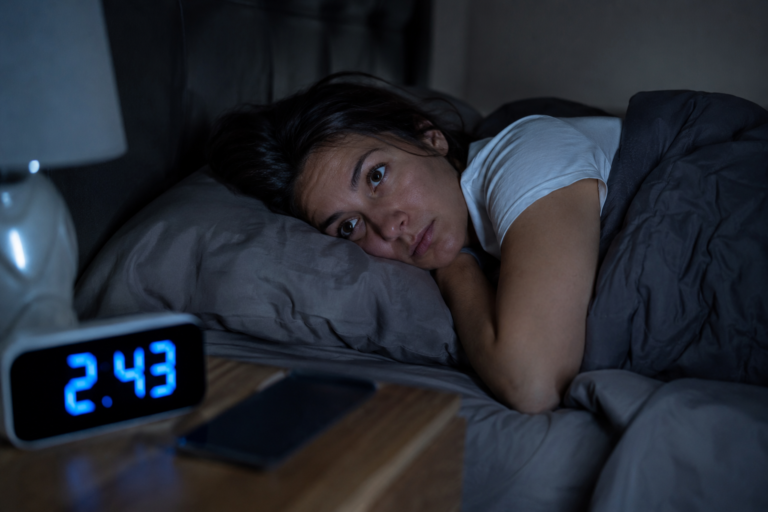
Getting a good night’s sleep is one of the most important things for physical and mental health. However, sleep experts say millions of people are making the same mistake every night without realizing the damage it may be causing.
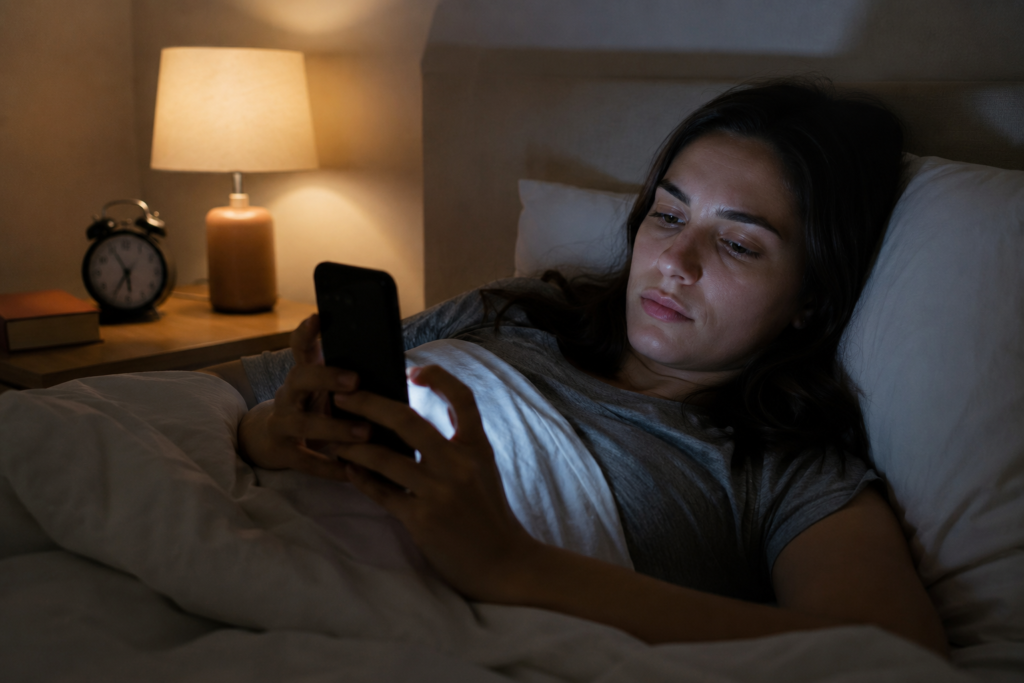
According to sleep doctors and medical researchers, one of the biggest sleep mistakes is using smartphones, tablets, laptops, or watching television right before going to bed. Experts warn that excessive screen time before sleep can interfere with the body’s natural sleep cycle, making it harder to fall asleep and reducing overall sleep quality.
As smartphones have become a major part of daily life, many people spend their final minutes before bed scrolling through social media, reading news, watching videos, or replying to messages. While this may seem harmless, doctors say this habit can have serious effects on sleep health over time.
Why Doctors Are Concerned About Screen Time Before Bed
Sleep specialists explain that screens emit light, particularly blue light, which can affect the production of melatonin. Melatonin is a hormone that helps regulate sleep and tells the body when it is time to rest.
When people use their phones or other electronic devices late at night, the brain may receive signals that it is still daytime. This can delay the body’s natural sleep process and make it more difficult to fall asleep. Doctors recommend avoiding screens for at least 30 to 60 minutes before bedtime to help the brain prepare for sleep.
Research has shown that late-night screen use can reduce sleep quality, shorten sleep duration, and increase the risk of insomnia. Sleep experts also point out that the content people consume on their devices can be just as harmful as the light itself. Emotional news stories, social media arguments, and endless scrolling can keep the brain active when it should be winding down.
The Rise of Doomscrolling
Doctors are increasingly warning about a habit known as “doomscrolling.” This refers to spending long periods scrolling through news feeds, social media posts, or negative content before going to sleep.
Recent surveys found that many adults believe their sleep is negatively affected by reading news or spending time on their phones in bed. Experts say doomscrolling increases stress, anxiety, and mental stimulation, making it harder for the brain to relax and enter a restful sleep state.
The combination of screen exposure and emotionally stimulating content can create a perfect storm for poor sleep. People may feel tired physically but remain mentally alert, leading to delayed sleep and restless nights.
What Research Says About Sleep and Health
Medical research continues to highlight the importance of quality sleep. Studies have linked poor sleep to a wide range of health problems, including obesity, diabetes, heart disease, weakened immunity, depression, and anxiety.
Experts generally recommend that adults get between seven and nine hours of sleep per night. Sleeping less than the recommended amount on a regular basis can negatively affect concentration, memory, mood, and overall health.
Researchers also emphasize that sleep quality matters just as much as sleep quantity. Someone who spends eight hours in bed but frequently wakes up during the night may still experience the effects of sleep deprivation.
Other Sleep Mistakes People Often Make
While screen use before bed is one of the most common mistakes, doctors say several other habits can also damage sleep quality.
Many people eat heavy meals late at night, consume caffeine in the evening, or exercise intensely right before bedtime. These habits can interfere with the body’s ability to relax and prepare for sleep. Sleep specialists also warn against maintaining an inconsistent sleep schedule, such as staying up very late on weekends and then trying to sleep early during the workweek.
An irregular sleep schedule can disrupt the body’s internal clock, making it harder to fall asleep and wake up naturally.
How to Improve Sleep Naturally
Doctors recommend creating a healthy bedtime routine that signals to the body that it is time to rest. Reading a book, taking a warm shower, practicing relaxation exercises, or listening to calming music can help improve sleep quality.
Experts also suggest keeping the bedroom dark, cool, and quiet. Limiting caffeine intake in the afternoon and evening can make a significant difference for many people.
One of the most effective strategies is maintaining a consistent sleep schedule. Going to bed and waking up at the same time every day helps regulate the body’s natural sleep-wake cycle and can improve overall sleep quality.
The Bottom Line
Doctors say the common habit of using smartphones and other screens before bedtime may be quietly harming the sleep of millions of people around the world. While technology has become an essential part of modern life, experts believe reducing screen time before bed is one of the easiest and most effective ways to improve sleep quality.
If you regularly struggle to fall asleep, wake up feeling tired, or experience restless nights, making small changes to your bedtime routine could have a major impact on your health. Turning off screens at least 30 to 60 minutes before bed may be a simple step, but doctors say it could lead to better sleep, improved mood, stronger immunity, and better overall well-being.