Trump Warns of US Response After Iran Reportedly Downs Apache Helicopter Near Strait of Hormuz
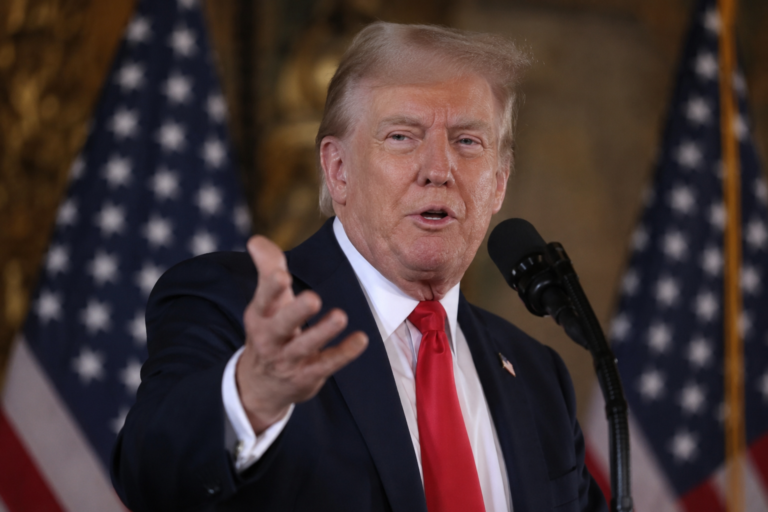
WASHINGTON: Tensions between the United States and Iran escalated sharply after US President Donald Trump claimed that Iran shot down an American Apache military helicopter near the Strait of Hormuz, warning that Washington would be forced to respond to the incident.
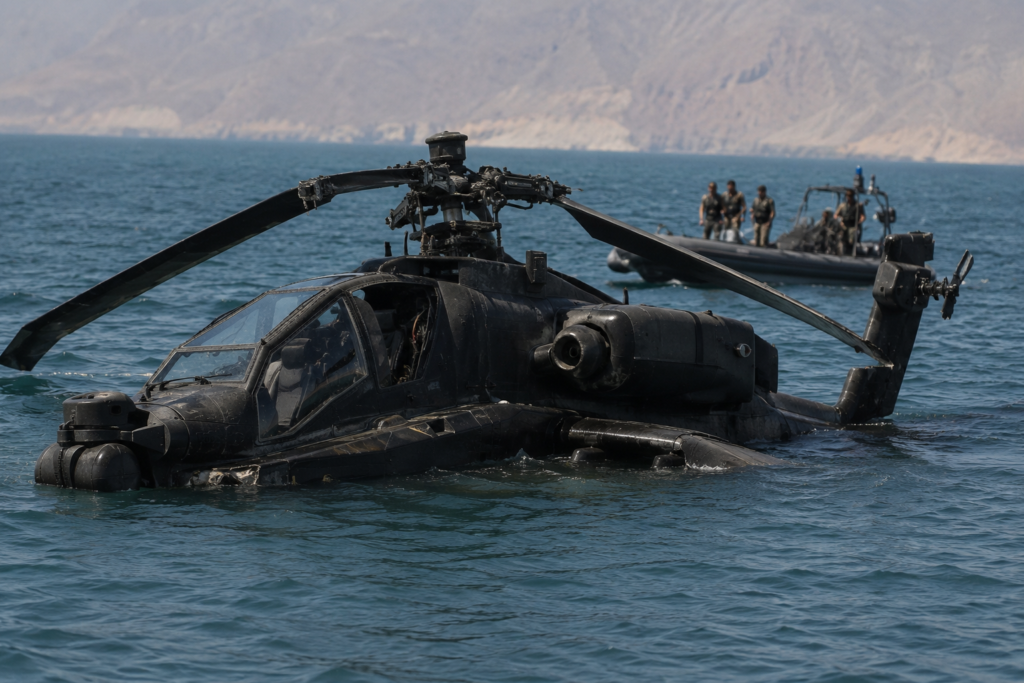
In a statement posted on Truth Social, Trump said he had been informed that Iranian forces brought down a highly sophisticated US Apache helicopter while it was conducting a patrol mission over the strategically important Strait of Hormuz. Although both pilots survived the incident without injuries, Trump described the attack as serious and said the United States “must, of necessity, respond.”
The reported helicopter incident comes at a sensitive moment, as Washington and Tehran have been engaged in negotiations aimed at ending months of conflict. Earlier, Trump had suggested that talks with Iran were in their final stages and hinted that a breakthrough agreement could be reached within days. However, the latest military confrontation has raised fresh doubts about the future of those diplomatic efforts.
US Central Command confirmed that an AH-64 Apache helicopter went down near the coast of Oman during a patrol mission. Rescue operations were launched immediately, and both crew members were safely recovered within two hours. Military officials said the cause of the crash remains under investigation and has not yet been officially determined.
According to reports from US officials, initial assessments suggest that an Iranian drone may have been involved in bringing down the helicopter. However, investigators are still examining whether the aircraft was deliberately targeted or whether other factors contributed to the incident.
Iran has not directly claimed responsibility for the crash, but Iranian Foreign Minister Abbas Araghchi appeared to reference the event in a message posted on social media. He warned that foreign military forces operating near Iranian territory face risks from accidents, human error, or being caught in regional conflicts. Araghchi added that the best way to reduce such risks would be for foreign troops to leave the region.
The Iranian foreign minister also stressed that the Strait of Hormuz is located far from US territory and should not be viewed as an international waterway controlled by outside powers. He said Iran prefers diplomacy but is prepared to defend its interests if necessary.
The Strait of Hormuz remains one of the world’s most important maritime routes, with a significant portion of global oil shipments passing through the narrow waterway every day. Any military escalation in the area could have major consequences for international trade, oil prices, and regional stability.
The latest incident adds to growing tensions across the Middle East, where conflicts involving Iran, the United States, and Israel continue to fuel uncertainty. Israel has also intensified military operations against Iran-backed groups in Lebanon, while Tehran has repeatedly warned that further attacks on its allies could trigger retaliation.
With diplomatic talks facing new challenges and military tensions rising, global attention is now focused on how both Washington and Tehran will respond in the coming days. The outcome could have significant implications for regional security and efforts to prevent a wider conflict in the Middle East.