Trump Reportedly Tells Netanyahu “What the F**k Are You Doing?” Over Lebanon Attacks Amid Rising Middle East Tensions
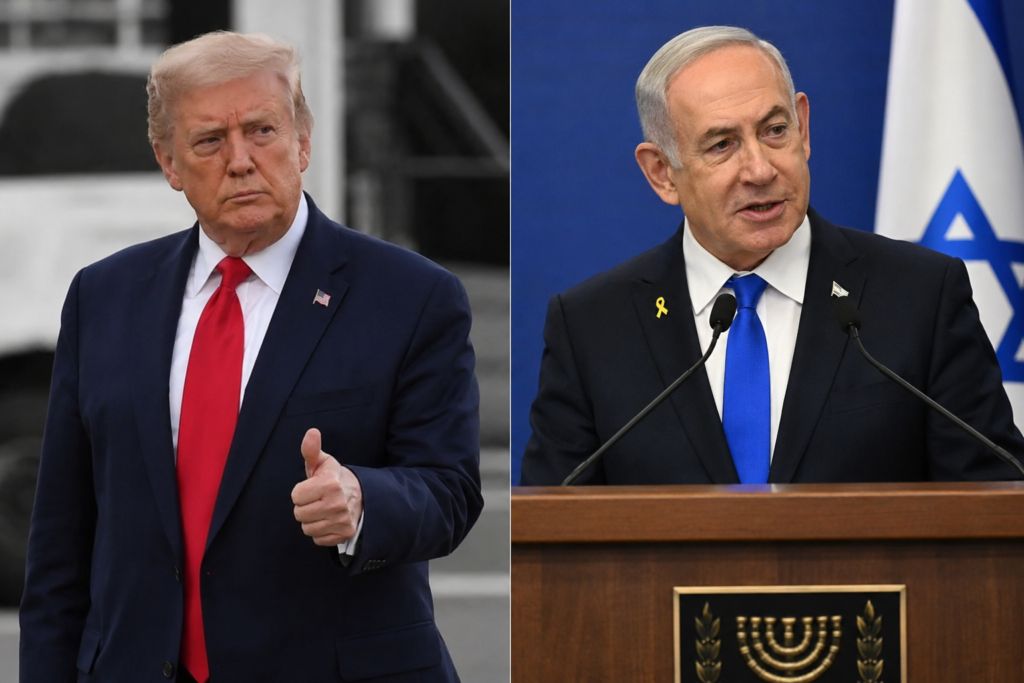
Tensions between the United States and Israel reportedly escalated after US President Donald Trump held a heated phone call with Israeli Prime Minister Benjamin Netanyahu regarding Israel’s military actions in Lebanon. According to multiple international media reports, Trump strongly criticized Netanyahu over recent attacks linked to Hezbollah targets in Beirut and southern Lebanon, warning that the military escalation could damage ongoing peace negotiations involving Iran and the United States.
The reported phone call quickly became one of the most talked-about developments in Middle East politics, with several outlets claiming Trump used unusually harsh language during the conversation. Reports suggest the US president became frustrated over Israel’s continued military operations in Lebanon, especially at a time when Washington is trying to reduce tensions across the region.
According to Axios and other international media organizations, Trump reportedly shouted at Netanyahu during the call and asked, “What the f**k are you doing?” Sources familiar with the conversation claimed Trump believed Israel’s actions were threatening a possible ceasefire arrangement involving Iran, Lebanon, and Hezbollah.
Reports also claimed Trump accused Netanyahu of risking wider conflict in the Middle East while damaging Israel’s international image. One source cited by US media alleged that Trump told Netanyahu that global criticism against Israel was growing because of the continued attacks in Lebanon and Gaza.
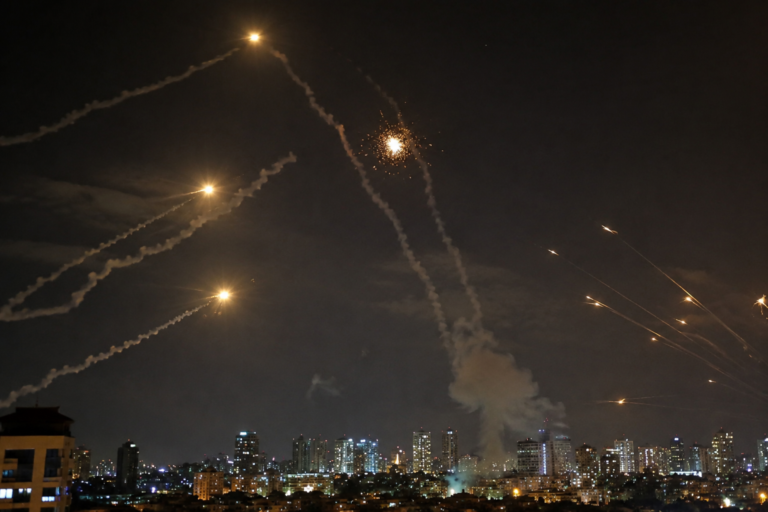
The heated exchange reportedly took place after Israel considered expanding military operations in Beirut. Israeli forces have been targeting Hezbollah positions in southern Lebanon following repeated cross-border attacks and rising regional instability. Hezbollah, which is backed by Iran, has continued exchanging fire with Israeli forces despite previous ceasefire agreements.
Shortly after the call, Trump posted on Truth Social, saying that no Israeli troops would move into Beirut and that forces already heading there had been turned back. Trump described his conversation with Netanyahu as “productive” and suggested that both Israel and Hezbollah had agreed to temporarily reduce hostilities.
The situation comes at a sensitive moment for the Middle East. Since early 2026, tensions involving Iran, Israel, Lebanon, and the United States have intensified, raising fears of a wider regional war. The conflict has already affected oil markets, global trade routes, and diplomatic relations across the world.
Iran has repeatedly warned that Israeli military operations in Lebanon could destroy ongoing negotiations aimed at easing tensions between Tehran and Washington. Iranian officials also linked the attacks in Lebanon to the broader ceasefire discussions involving the Strait of Hormuz and regional security.
Meanwhile, Israeli Prime Minister Benjamin Netanyahu maintained that Israel would continue taking military action if Hezbollah attacks persisted. In public statements after the reported phone call, Netanyahu said Israel’s position remained unchanged and warned that Beirut operations could still remain an option if Hezbollah continued targeting Israeli cities.
The reports of Trump’s angry reaction sparked massive debate online, with social media users discussing the future of US-Israel relations and the growing instability in the Middle East. Many observers believe the disagreement highlights increasing pressure on Washington to prevent a larger regional conflict involving Iran, Lebanon, Israel, and Hezbollah.
Political analysts say Trump’s response also reflects concerns about the impact of Middle East tensions on global energy markets, diplomacy, and the upcoming international negotiations surrounding Iran’s nuclear program and regional security arrangements.
The development has quickly become a major international news story, drawing attention from governments, diplomats, and global media outlets as fears of further escalation continue to grow across the Middle East.