Millions Gather for Ayatollah Ali Khamenei’s Funeral as Iran Begins Historic Six-Day Farewell
Millions of people have gathered across Iran to pay their final respects to former Supreme Leader Ayatollah Ali Khamenei, as the country begins one of the largest funeral ceremonies in its modern history. Authorities expect between 15 and 20 million mourners to participate in the six-day funeral processions taking place across Iran and Iraq.
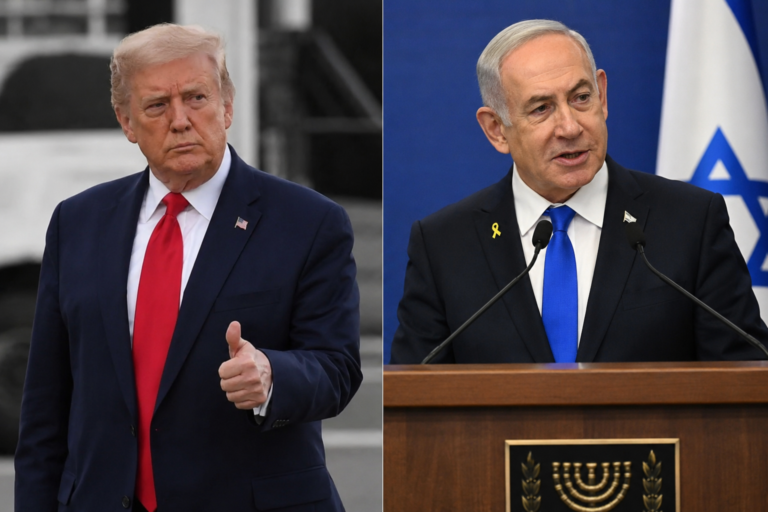
The funeral comes more than four months after Khamenei was killed in a joint US-Israeli military strike during the conflict that erupted earlier this year. His death marked the end of an era in Iranian politics and has become one of the most significant events in the country’s recent history.
Huge Crowds Fill Tehran Streets
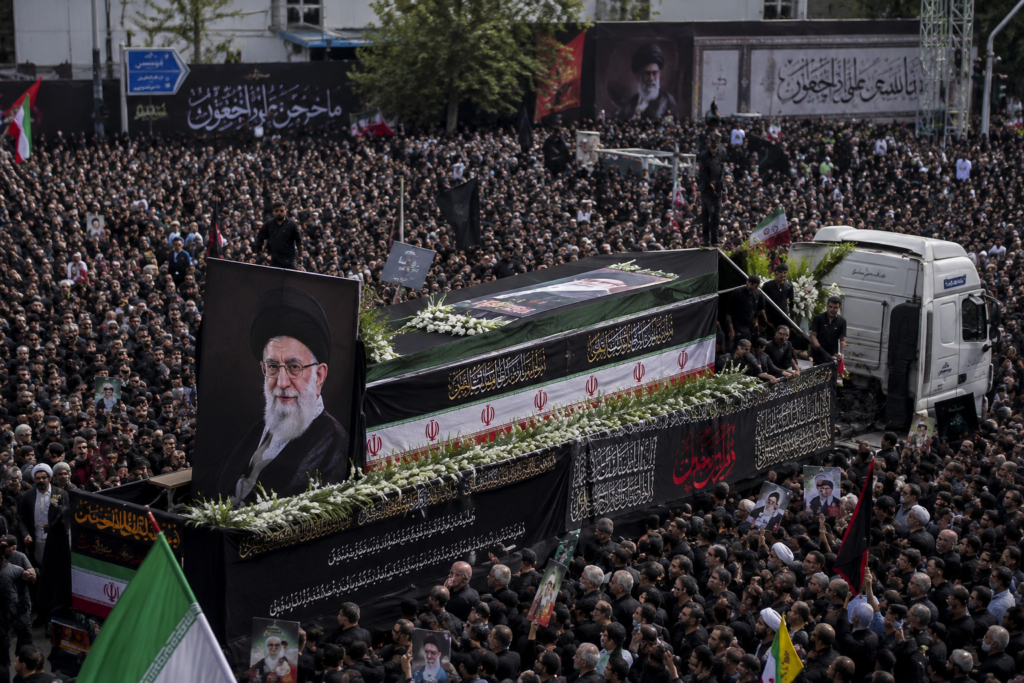
The first day of the funeral ceremonies saw massive crowds gather outside the Imam Khomeini Mosalla Grand Mosque in Tehran, where Khamenei’s body is lying in state before being taken on a nationwide farewell procession.
Thousands of men, women, and children dressed in black filled the streets, carrying Iranian flags, copies of the Quran, and portraits of the late leader. Many mourners chanted religious slogans while loudspeakers played Quranic recitations and funeral prayers throughout the day.
Iranian officials believe the funeral could become one of the largest public gatherings ever held in the country.
Millions Expected to Attend
Iranian authorities have announced that between 15 million and 20 million people are expected to attend funeral events over the coming days. To manage the large number of visitors, the government has opened more than 5,000 schools and thousands of classrooms across the country to provide temporary accommodation for pilgrims traveling to Tehran.
Security has also been increased throughout the capital. Police and security forces have established checkpoints and traffic restrictions to ensure the safety of mourners attending the ceremonies.
Funeral to Continue Across Iran and Iraq
The funeral will not be limited to Tehran. According to Iranian officials, the ceremonies will continue over six days and include several important religious cities.
After remaining in Tehran for three days, Khamenei’s body will be taken to Qom, one of Iran’s holiest cities, where senior Shia religious leaders will lead funeral prayers.
The procession will then travel to Najaf and Karbala in Iraq, two of the most important religious sites for Shia Muslims. Thousands of mourners are also expected to participate in ceremonies there before the body returns to Iran.
Khamenei will finally be buried in Mashhad at the Imam Reza Shrine, Iran’s most important pilgrimage site and one of the largest religious complexes in the Islamic world.
Family Members Also Honoured
The funeral ceremonies are also honoring several members of Khamenei’s family who reportedly died in the same military strike earlier this year.
Their coffins, draped in Iranian flags, have been placed alongside Khamenei’s during public memorial events. Many mourners have offered prayers not only for the former Supreme Leader but also for his family members.
International Delegations Attend Ceremony
The funeral has attracted international attention, with official delegations from more than 100 countries attending special ceremonies organized for foreign guests.
Political leaders, diplomats, and religious representatives from several countries have traveled to Tehran to express condolences and participate in the memorial events.
The large international presence highlights Iran’s continued influence in regional politics despite recent conflicts.
Mojtaba Khamenei Takes Leadership
Following Ali Khamenei’s death, his son Ayatollah Mojtaba Khamenei has assumed the role of Iran’s Supreme Leader.
Although he has not yet made many public appearances since taking office, many observers believe the funeral ceremonies are designed to demonstrate political stability and continuity during the leadership transition.
Analysts say the coming weeks will be closely watched to understand how Iran’s new leadership approaches both domestic policies and international relations.
Symbolism During Muharram
This year’s funeral coincides with the first days of Muharram, one of the holiest months in the Islamic calendar for Shia Muslims.
Religious banners across Tehran connect Khamenei’s death with themes of sacrifice and martyrdom that are central to Muharram commemorations. Many participants described attending the funeral as both a religious duty and a national responsibility.
The timing has added deep symbolic meaning to the ceremonies for many Iranians.
Strong Public Emotions
Many mourners described the funeral as an emotional farewell to a leader who guided Iran for more than three decades.
Some attendees told international media they had traveled hundreds of kilometers to pay their respects, while others pledged continued support for Iran’s leadership and its political direction.
The atmosphere in Tehran has been marked by prayers, mourning processions, and public displays of grief throughout the city.
What Happens Next?
The funeral ceremonies will continue over the coming days before Khamenei is laid to rest in Mashhad.
Iran is also expected to hold additional memorial events across the country during the traditional 40-day mourning period, with commemorations likely continuing throughout the year.
The transition to new leadership and the country’s future political direction will remain closely watched by governments and analysts around the world.
As millions continue to gather in Tehran and other cities, the funeral of Ayatollah Ali Khamenei has become one of the largest public events in Iran’s history, reflecting both his influence inside the country and the global attention surrounding this historic moment.